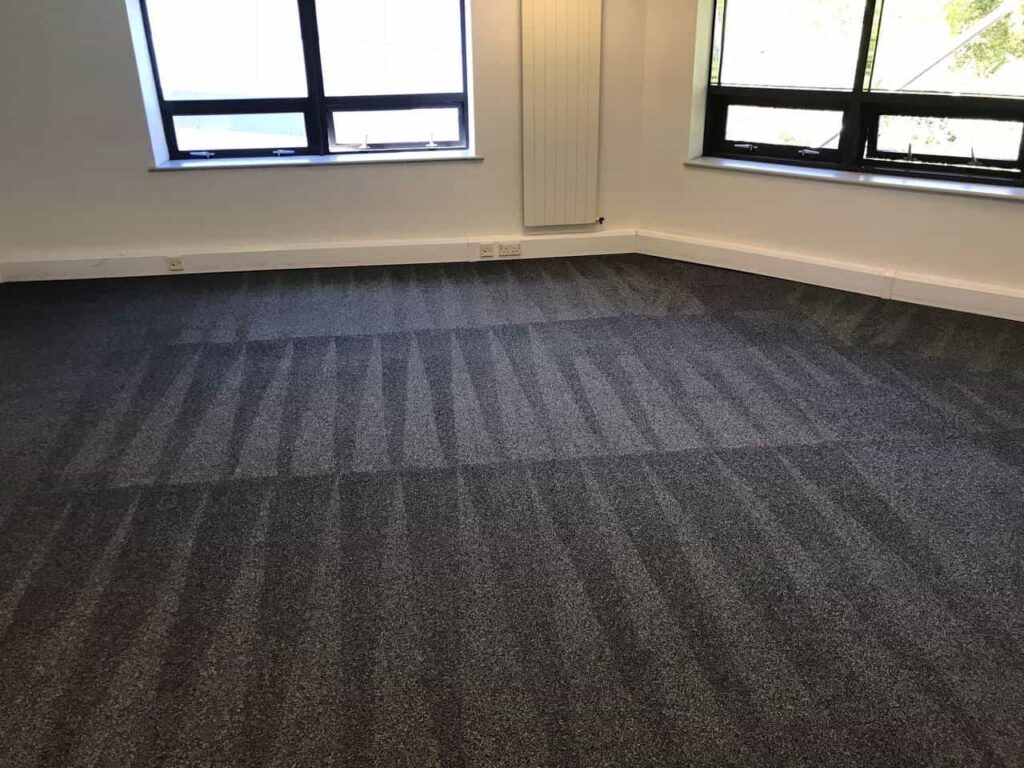
A rug can look reasonably clean while holding considerably more dirt than is visible from the surface. Regular vacuuming removes loose debris and is an important part of routine care, but particles can gradually work their way deeper between the fibres and into the rug’s construction. Because much of this contamination is hidden, homeowners may not realise how much has accumulated.
For households in Mile End, Greater London, professional rug cleaning can provide a deeper level of cleaning than routine surface maintenance alone. Understanding how rugs collect and retain dirt helps explain why their appearance is not always an accurate indication of cleanliness and why periodic professional attention can be worthwhile.
Why Dirt Accumulates Deep Within Rugs
Rugs are positioned where they naturally collect contamination. Dust settles from the surrounding environment, particles are carried across them by footwear and everyday household activity introduces additional debris.
The fibres then act as a complex surface capable of trapping material at different depths. While larger particles may remain visible, finer contamination can settle much deeper and remain largely unnoticed.
Rug Fibres Can Hide Dirt Very Effectively
One reason rugs can appear cleaner than they actually are is their construction.
Unlike a smooth hard floor, a rug contains thousands of individual fibres. Dirt can settle between these fibres rather than remaining on the surface.
Colour and pattern can conceal contamination further. A patterned or darker rug may continue looking presentable even when considerable soil has accumulated below the visible pile.
Appearance alone therefore provides only limited information about how clean a rug really is.
Foot Traffic Pushes Particles Deeper
Every time somebody walks across a rug, the fibres are compressed.
This movement can gradually encourage dry soil and other small particles to travel further into the pile.
Busy routes across a room are particularly susceptible because the same sections are walked over repeatedly. Over time, these areas can contain substantially more embedded contamination than less frequently used parts of the rug.
Vacuuming remains useful, but deeply settled material can become increasingly difficult to remove through ordinary household maintenance.
Dust Does Not Always Remain on the Surface
Household dust is made up of very small particles.
When dust settles onto a rug, some will remain close to the surface and can be collected during vacuuming. Finer material can move between the fibres and settle further down.
The rug may therefore appear relatively free from visible dust while still containing accumulated particles within its structure.
This gradual build-up is one reason a rug can benefit from cleaning even when there is no single obvious stain.
Outdoor Dirt Can Be Carried Onto Rugs
Particles introduced from outside can contribute significantly to rug soiling.
Even where footwear is removed indoors, fine material can still be transferred through normal household activity. Rugs positioned near frequently used routes may consequently receive more contamination than those in quieter areas.
Once dry soil enters the pile, repeated foot traffic can work it further into the fibres.
The result is often gradual rather than dramatic, making the change difficult to notice from day to day.
Fine Grit Can Settle at the Base of the Pile
Some particles are heavier than ordinary dust and can gradually settle towards the base of a rug.
This material may be largely invisible from above.
As the rug is walked on, the fibres move against these particles. This is another reason removing embedded dry soil is an important part of maintaining rugs rather than concentrating exclusively on visible stains.
Professional cleaning considers contamination throughout the accessible pile rather than judging the rug only by its surface appearance.
Vacuuming Is Important but Has Limitations
Regular vacuuming is one of the most useful things homeowners can do to maintain rugs.
It removes loose debris before more of it has the opportunity to become embedded. However, household vacuuming and professional rug cleaning perform different functions.
A vacuum cleaner primarily targets dry, removable particles. It may not fully address established contamination attached to the fibres or material that has settled deeper within the rug.
Professional cleaning can therefore complement rather than replace good routine vacuuming.
Greasy Residues Can Attract Additional Dirt
Not all rug contamination is dry.
Small amounts of oily or sticky residue can transfer onto fibres through everyday household use. Once present, these residues can attract and hold additional particles.
The affected section may gradually become darker as more soil attaches to the fibres.
This can be particularly noticeable along frequently used walking routes, where contamination and repeated contact occur together.
Removing suitable bonded soiling requires a different approach from simply collecting loose surface debris.
Spills Can Leave More Than an Obvious Stain
When something is spilled on a rug, attention naturally focuses on whether a visible mark remains.
However, liquid can travel below the upper surface before it is absorbed or treated. Even when the visible staining appears relatively small, the affected area can extend deeper into the fibres.
Residues from a spill may also attract further contamination over time.
Professional rug cleaning considers the nature of the contamination rather than relying solely on the size of the mark visible from above.
High-Traffic Areas Can Become Gradually Duller
One of the clearest indications of accumulated soil is a difference between frequently and infrequently used sections of a rug.
Areas beneath furniture may retain more of their original appearance, while exposed walking routes become duller.
Because this develops gradually, the change can be difficult to recognise until furniture is moved or the rug is repositioned.
Professional cleaning can remove suitable accumulated soil from high-use areas, although any permanent fibre wear may remain.
Dirt and Wear Should Not Be Confused
A dark or flattened section of a rug is not necessarily dirty alone.
Repeated use can physically alter fibres, particularly in areas exposed to regular foot traffic. Consequently, some rugs contain a combination of removable contamination and permanent wear.
Cleaning can address suitable soil but cannot reverse fibres that have been physically damaged or significantly worn.
Professional assessment helps establish realistic expectations by considering both factors.
The Edges of a Rug Can Accumulate Contamination
Attention is often concentrated on the centre of a rug because that is where people walk.
However, edges can collect their own forms of contamination.
Dust and debris may settle around furniture, skirting areas and places where ordinary vacuuming is less thorough. Depending on the rug’s position, these areas can remain undisturbed for extended periods.
A more comprehensive cleaning process considers the entire rug rather than concentrating exclusively on the most visibly soiled section.
Furniture Can Hide Differences in Condition
Large pieces of furniture can conceal sections of a rug for years.
When those items are eventually moved, the protected areas may look noticeably different from the exposed sections.
This comparison can reveal how much the rest of the rug has changed through foot traffic, accumulated soil and everyday use.
It does not necessarily mean that all colour variation can be removed through cleaning, but it can provide a useful indication of how heavily exposed areas have been used.
A Rug Can Look Clean Because Soiling Develops Slowly
Gradual change is difficult to notice.
Homeowners see their rugs regularly, so a slight change in appearance from one week to the next may be almost impossible to detect. Over months or years, however, those small changes can become significant.
The rug may only appear obviously different when it is moved, compared with a protected section or professionally cleaned.
This explains why waiting for a rug to look extremely dirty is not always the best way to decide when deeper cleaning may be beneficial.
Different Rug Materials Require Different Cleaning Methods
Rugs vary greatly in their construction and fibre composition.
The appropriate cleaning method should therefore be selected according to the individual rug rather than applying the same process to every item.
Material, construction, condition, colour stability and type of contamination can all influence how cleaning should be approached.
Professional assessment before cleaning helps ensure the process is suitable for the particular rug.
Home Cleaning Products Should Be Used With Caution
When a rug develops a visible mark, it can be tempting to apply a general household cleaner.
However, products intended for other surfaces may not be appropriate for rug fibres. Excessive product or moisture can also make the affected area more difficult to treat.
Residues left within the fibres can sometimes attract further soil, creating a section that becomes dirty again relatively quickly.
Using an appropriate cleaning method from the outset can help avoid unnecessary complications.
Professional Cleaning Targets More Than Visible Marks
Rug cleaning should not be viewed purely as stain removal.
A rug may contain no dramatic stains while still holding considerable general contamination.
Professional cleaning considers the wider condition of the rug, including accumulated soil across regularly used areas and contamination that may not be immediately visible.
This broader approach is particularly valuable when the rug has been in regular use for a long period.
Cleaning Can Reveal the Rug’s Actual Condition
A heavily soiled rug can make it difficult to judge the underlying state of the fibres.
Once suitable contamination has been removed, it becomes easier to distinguish between soiling and permanent wear.
Some areas may improve substantially, while others may retain changes caused by long-term use.
This provides a much more accurate understanding of the rug’s condition than appearance alone before cleaning.
Routine Care Can Reduce Deep Soil Accumulation
Professional cleaning works best alongside sensible everyday maintenance.
Regular vacuuming helps remove dry soil before it settles deeper into the rug. Dealing appropriately with spills when they occur can also reduce the amount of residue left within the fibres.
Periodically moving accessible furniture can reveal areas that require additional attention.
These straightforward habits can help prevent contamination from becoming unnecessarily established.
Professional Assessment Helps Determine the Right Approach
The amount of dirt hidden within a rug cannot always be judged simply by looking at its surface.
At Mile End Carpet Cleaning, we assess rugs in Mile End, Greater London by considering their material, construction, condition and level of soiling before determining an appropriate cleaning method.
This allows the cleaning process to address suitable embedded contamination while taking account of the individual characteristics of the rug. It also helps distinguish between removable dirt and changes caused by permanent wear.
Conclusion
Rugs often hold more dirt than they appear to because their fibres can conceal dust, fine grit, residues and other contamination below the visible surface. Repeated foot traffic can push particles deeper into the pile, while oily residues and spills may attract additional soil over time.
Regular vacuuming remains an important part of rug care, but it cannot necessarily remove all established or deeply embedded contamination. Professional rug cleaning provides an opportunity to treat the rug more comprehensively while using a method appropriate for its particular material and condition.
If your rugs in Mile End, Greater London appear dull, heavily used or simply have not received a deeper clean for some time, contact Mile End Carpet Cleaning. We can assess their condition and provide professional rug cleaning suited to the fibres and level of soiling present.
Call us on: 0203 962 0470
Click here to find out more about Mile End Carpet Cleaning
Click here to complete our contact form and see how we can help with your carpet needs.